Fast Crypto News: Sourcing, Filtering, and Acting on Market Intelligence
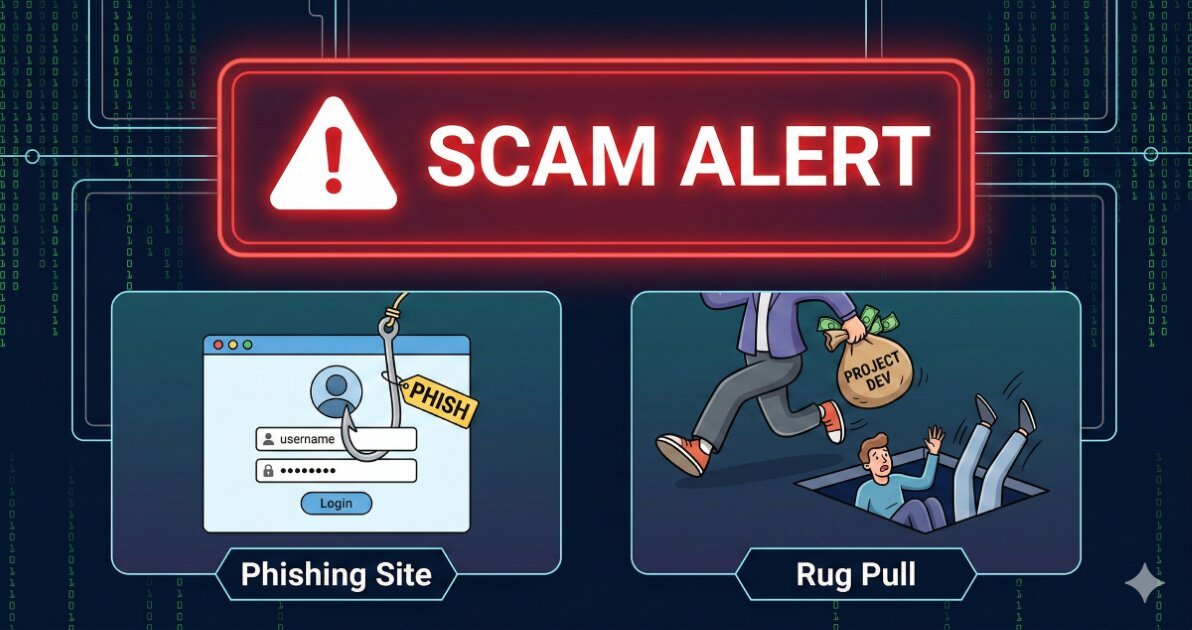
Fast crypto news refers to latency sensitive information delivery channels and strategies traders and protocols use to obtain, verify, and act on market events before consensus pricing catches up. In markets where mempool visibility, oracle updates, and exchange listings can move prices in seconds, your information architecture determines whether you front run or get front run. This article covers the technical stack behind fast news delivery, the trade-offs between speed and accuracy, and the operational patterns that separate signal from noise.
Information Sources and Latency Hierarchy
Crypto news arrives through multiple channels with different latency profiles.
Blockchain data feeds deliver on chain events directly. Running a full node or using a service like QuickNode or Alchemy lets you parse transaction logs, contract calls, and state changes as they reach mempool or get confirmed. Latency depends on block time and your RPC connection. This is authoritative but requires interpretation. A large USDC transfer from a known whale address is data; whether it signals an imminent sell is inference.
Exchange WebSocket streams push trade executions, orderbook snapshots, and liquidation events in near real time. Binance, Coinbase, and OKX publish feeds with sub 100 millisecond latency for major pairs. These streams show market participant behavior but not intent. A sudden $50M BTCUSDT market sell appears instantly on the feed but offers no context about whether it is a forced liquidation, rebalance, or directional bet.
Social media aggregators scrape Twitter, Telegram, Discord, and Reddit for keywords, account mentions, and sentiment shifts. Tools like LunarCrush and Santiment index millions of posts. Latency ranges from seconds (Twitter API polling) to minutes (Discord scraping with rate limits). Signal to noise ratio is poor. A genuine exploit disclosure competes with thousands of shill posts and rumors.
News APIs and terminal feeds from CoinDesk, The Block, and Bloomberg aggregate edited reporting. Latency is minutes to hours. Accuracy is higher but speed is sacrificed. These sources confirm what fast channels hinted at.
Protocol announcement channels like Governance forums, GitHub repos, and official Discord servers publish parameter changes, upgrade schedules, and incident disclosures. Latency depends on your monitoring setup. A Compound governance proposal to adjust collateral factors may be posted hours before anyone builds a trade around it.
Verification and Cross Reference Patterns
Speed without verification creates risk. A false rumor on Twitter about an ETF approval can spike prices for minutes before correction. Effective verification stacks layer multiple sources.
Multi source confirmation requires at least two independent channels before acting. If a Telegram channel claims Binance will list a token, cross check Binance’s official announcement page, their API for new trading pair additions, and onchain deposit addresses. Listings leak early through API endpoint enumeration, wallet addresses appearing in block explorers, or early market maker deposits.
Onchain validation grounds social claims in cryptographic fact. A claim that a protocol was exploited gets validated by scanning recent contract transactions for unusual outflows, checking PeckShield or BlockSec Twitter feeds for exploit confirmations, and reviewing the protocol’s post mortem channel. If onchain activity contradicts the rumor, discard it.
Timestamp comparison reveals information cascades. When the same news appears on multiple aggregators within seconds, one is likely copying the other. Find the earliest source. Twitter blue checks can be purchased; GitHub commits and blockchain timestamps cannot.
Automated Monitoring and Alert Infrastructure
Manual scanning does not scale. Practitioners build monitoring stacks that filter and route events.
Webhook listeners subscribe to blockchain events via services like Tenderly or Dune Analytics alerts. You define a condition (e.g., TVL drop exceeding 20 percent in a single block) and receive a webhook POST to your server or messaging app. Latency is under 10 seconds for common chains.
RSS and API polling scripts check news sites, GitHub releases, and governance forums every 30 to 60 seconds. Parse JSON or XML, diff against previous state, and alert on changes. This catches parameter updates and upgrade announcements.
Discord and Telegram bots join protocol channels and forward messages matching regex patterns (e.g., “pause”, “exploit”, “emergency”) to your private channel. Tune filters to avoid alert fatigue. A bot that forwards every message is useless.
Orderbook anomaly detectors compare current bid ask spreads and depth against historical baselines. A sudden 5x spread widening or 80 percent depth collapse on a major pair flags potential exchange issues or liquidity crises before official announcements.
Filtering Signal from Noise
High volume channels generate hundreds of events per hour. Filtering mechanisms separate actionable intelligence from spam.
Source reputation scoring weights alerts by historical accuracy. Track which Twitter accounts, Telegram channels, or APIs have published verified news first in the past. A Discord channel that broke three legitimate exploit disclosures before official statements earns higher priority than one that posted 20 false alarms.
Keyword exclusion lists block known spam patterns. Terms like “100x gem”, “moon”, or “next Solana” correlate with low signal content. Conversely, “crit”, “postmortem”, “pause”, or “withdraw” correlate with actionable events.
Velocity thresholds measure how fast a topic spreads. A genuine exploit generates exponential mention growth across multiple platforms within minutes. A coordinated shill campaign shows linear growth confined to a few paid channels.
Entity extraction and deduplication parse alerts for token addresses, transaction hashes, or contract names and group related alerts. If 10 different bots all reference the same transaction hash, consolidate into a single investigation item.
Worked Example: Exchange Listing Detection
You want to trade tokens immediately after Binance listing announcements, which historically produce 10 to 30 percent pumps in the first 15 minutes.
Step 1: Monitor Binance announcement RSS feed and API trading pair endpoint every 30 seconds. The API often updates before the blog post goes live.
Step 2: Join Binance listing rumor channels on Telegram and Discord. Configure a bot to forward messages containing the word “list” or “Binance” along with token tickers.
Step 3: When your API poller detects a new trading pair (e.g., NEWUSDT appears in /api/v3/exchangeInfo), immediately check if it matches a rumor from social channels in the past 48 hours. If yes, confidence increases.
Step 4: Verify the token contract address on Etherscan or the relevant explorer. Check for existing liquidity on DEXs, holder distribution, and whether the address matches the project’s official docs.
Step 5: Place limit buy orders at expected opening range based on DEX pricing and historical listing premium. Binance pairs often open within 5 percent of last DEX price, then spike.
Step 6: Monitor fill and set a trailing stop loss at 8 percent below peak to capture upside while protecting against false breakouts.
Latency from API detection to order placement determines profitability. Automated execution within 2 to 5 seconds captures most of the initial move. Manual execution at 30+ seconds often arrives after the spike.
Common Mistakes and Misconfigurations
- Acting on unverified single source claims, especially from anonymous Telegram channels or new Twitter accounts. Require onchain or official confirmation before executing.
- Ignoring timestamp metadata in API responses or RSS feeds. A news item with a published date 2 hours ago may appear new due to aggregator lag.
- Over tuning filters to eliminate all noise, which also removes edge case true positives. A channel that posts 95 percent spam may still break 5 percent of exploits first.
- Running polling scripts faster than rate limits allow, resulting in IP bans and missed alerts during critical windows.
- Failing to test webhook endpoints under load. An alert server that crashes when receiving 50 simultaneous events is useless during cascading liquidations.
- Treating social sentiment as predictive signal rather than reactive indicator. By the time sentiment flips on aggregators, smart money has already positioned.
What to Verify Before You Rely on This
- Current API rate limits and endpoint availability for exchanges and node providers you depend on
- Webhook delivery SLAs and failure modes for monitoring services like Tenderly or Dune
- Token contract addresses and official social handles for projects you track, as impersonators frequently surface
- Historical accuracy rate of your primary news sources over the past 30 to 90 days
- Latency benchmarks for your execution pipeline from alert receipt to order placement
- Compliance and terms of service for any automated trading or scraping activity on exchanges
- Backup communication channels if primary monitoring infrastructure fails
- The current governance or multisig structure of protocols you monitor, as changes affect who can publish authoritative announcements
- Whether your monitoring stack can handle chain reorganizations or mempool flushes without false alerts
- Legal restrictions on acting on material nonpublic information in your jurisdiction, as some early alpha may qualify
Next Steps
- Build a minimal monitoring stack with one blockchain event webhook, one exchange WebSocket listener, and one social aggregator API to establish baseline latency.
- Document the timestamp and source of the next 10 market moving news events you encounter to identify which channels consistently deliver first.
- Backtest a simple strategy on historical listing or governance announcements using archived data to quantify the value of speed improvements in your execution pipeline.
Category: Crypto News & Insights